UniSport Otaniemi
Otaranta 6, 02150 Espoo — inside Otahalli
Otaniemi Right Now
Quietest today: 6:00, 7:00, 22:00
Live count from UniSport. Bars = typical for today.
Your First Day
Pack: indoor shoes (clean, gym-only), a towel (mandatory at UniSport), water bottle, your own padlock, and your ID for the first visit. Put the bag by the door the night before.
Tram 15 from Perkkaa toward Keilaniemi. Ride 7 stops (~15 min) to Aalto-yliopisto (M) or one more to Otaranta. Then ~8 min walk to Otaranta 6 — the Otahalli building. Trams run every 7-8 minutes, so a missed one costs nothing.
Open this dashboard before you leave your desk. If Otaniemi is over ~35 people and that bothers you, shift to 15:00 or after 21:00. Both are far quieter and equally valid.
Walk in, tap your access card at the gate. That's it — no booking, no talking to anyone. First visit only: collect your card at the service desk (Mon-Fri 10-21, Sat-Sun 12-16).
Find a locker, use your own padlock. Unisex changing rooms and showers are available. No sauna at Otaniemi.
Go straight to a stationary bike. It's the most anonymous machine in the building and nobody ever looks at the person on the bike. Easy pace, 5 minutes. This is also your chance to look around and spot the machines you need.
Follow today's session card exactly. Every machine has a photo and a video in the Gym tab. It is completely normal to pull up your phone and watch a 90-second clip before a lift. Everyone else is looking at their own phone.
Wipe the machine down after use. Re-rack your weights. You do NOT need to talk to anyone. If a machine is taken, either wait or do the next exercise and come back — order is not sacred.
30 minutes and you're out. Log the session on this dashboard before you leave the building, while the numbers are fresh.
Session Reference
Reference only — you don't pick from this. Your coach tells you which one to do each day in the Coach tab. This is here so you can look up what a session involves.
Your actual first visit. Zero training. The entire goal is to remove the unknowns so that day one of real training has no surprises in it.
Go at a QUIET time (check the crowd widget — target under 20 people).
Weekend morning is ideal, or a weekday before 14:00.

CHECKLIST:
[ ] Find the entrance: Otaranta 6, inside the Otahalli building
[ ] Collect your access card from the service desk (Mon-Fri 10-21, Sat-Sun 12-16)
[ ] Find the changing room and showers
[ ] Note where the lockers are — you need YOUR OWN PADLOCK (buy/rent at reception)
[ ] Walk all three floors of the gym. Just look.
[ ] Locate: leg press, chest press, lat pulldown, cable row, the bikes
[ ] Sit on the leg press once. Don't load it. Just sit on it.
[ ] Leave.

You are allowed to do literally nothing else. This visit is reconnaissance, and it's the most valuable session in the whole program.
Full-body strength, push-biased. Full-body 3x/week beats a Push/Pull/Legs split because each muscle gets trained 2-3x per week instead of once — that difference is worth roughly 60% more growth at equal volume (Schoenfeld 2016).
WARM-UP (3 min)
- Stationary bike, easy. Then 1 light set of the leg press (~50% of working weight).

MAIN (24 min) — exercises marked A/B are PAIRED: alternate between them,
resting 60s after each. Pairing cuts session time ~50% with no loss of results.

1. Leg Press — 3 sets, 10-12 reps, 2-3 RIR, 120s rest
2a. Chest Press Machine — 2 x 8-12, 2-3 RIR   ┐ alternate,
2b. Seated Cable Row — 2 x 8-12, 2-3 RIR      ┘ 60s between
3a. Shoulder Press Machine — 2 x 8-12, 2-3 RIR ┐ alternate,
3b. Lat Pulldown — 2 x 8-12, 2-3 RIR           ┘ 60s between
4. Cable Pallof Press — 1 x 8-10 per side

FINISHER (8-10 min) — Treadmill incline walk, below the talk test.

RIR = Reps In Reserve. "2-3 RIR" means stop with 2-3 good reps left.
You do NOT need to train to failure — the research shows no added benefit
and it costs 3x the fatigue.
Full-body strength, leg and pull-biased. Alternates with Full Body 1 so every muscle gets hit 2-3x per week across three sessions.
WARM-UP (3 min)
- Stationary bike, easy. Then 1 light leg press set.

MAIN (24 min) — A/B pairs are alternated with 60s rest.

1. Leg Press — 2 x 10-12, 2-3 RIR, 120s rest
2a. Seated Leg Curl — 2 x 10-12, 2-3 RIR   ┐ alternate
2b. Leg Extension — 2 x 12-15, 1-2 RIR     ┘
3a. Lat Pulldown — 2 x 8-12, 2-3 RIR       ┐ alternate
3b. Chest Press Machine — 2 x 8-12, 2-3 RIR ┘
4. Cable Face Pull — 2 x 12-15 (light, posture)

FINISHER (8-10 min) — Treadmill incline walk, below the talk test.
Four movements, in and out. Use for your first-ever gym visits, after a break, when short on time, or when the gym is busy. This is a COMPLETE session, not a reduced one.
WARM-UP (3 min) — bike, easy.

MAIN (16 min)
1. Leg Press — 2 x 10-12, 2-3 RIR, 90s rest
2a. Chest Press Machine — 2 x 8-12  ┐ alternate, 60s
2b. Seated Cable Row — 2 x 8-12     ┘
3. Plank — 2 x 30 sec

TARGET: 22 minutes door to door. This always counts as a full session.
Low-impact intervals plus anti-rotation core. Aerobic work is NOT optional for your goal: resistance training alone ranks LAST for visceral (belly) fat in every network meta-analysis, while combined training ranks FIRST.
MAIN (25 min) — Treadmill incline walk
  · 5 min at 5.0 kph, incline 0 (warm-up)
  · 15 min at 5.0-5.5 kph, incline 6-10%
  · 5 min at 4.5 kph, incline 0 (cool-down)
  · Hands OFF the rails
  · Pace rule: you should be able to speak a full sentence. If you can't,
    slow down. Going harder than that feels worse and predicts quitting.

CORE (5 min)
- Cable Pallof Press 2 x 10 per side
- Plank 2 x 30 sec

You choose the exact speed and incline. Self-selected intensity feels
better and sticks better than an imposed number.
The FLOOR of the program — the smallest session that still counts. Not a punishment and not a downgrade. On a day you'd otherwise skip, you do this instead. Frequency is what builds the habit, and a 10-minute session counts toward it exactly like a 30-minute one.
1. Walk in, change, tap the gate.
2. Leg Press — 2 x 10 (comfortable weight, 3-4 RIR)
3. Seated Cable Row — 2 x 10
4. Leave.

Ten minutes. Logs as a completed session.

WHY THIS EXISTS: your last two programs died at a disruption, not from
lack of effort. Reaching ~4 sessions/week for 6 weeks is what makes a gym
habit automatic — and frequency matters more than session length for that.
So the cycle never breaks. On a bad day you drop to the floor, not to zero.
Machine Guide
Every machine you'll use, with a photo and a how-to video. Tap to expand.
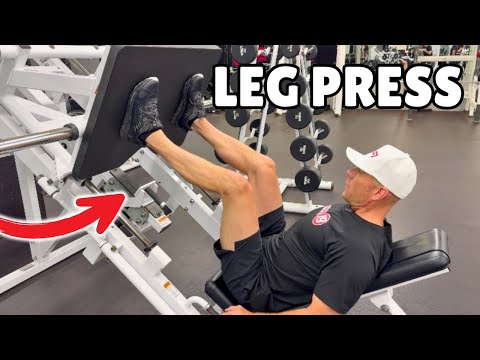
The single best first machine for a beginner. You sit down, feet on a big plate, push it away. Impossible to drop, impossible to fall over. This is your anchor lift.
How to do it
1. Sit fully back, back and hips flat against the pad.
2. Feet shoulder-width on the middle of the plate.
3. Release the safety handles at the side.
4. Lower until knees are ~90 degrees. Do NOT let your lower back curl off the pad.
5. Push through your whole foot, stop just short of locking the knees.
Breathe: in on the way down, out as you push.
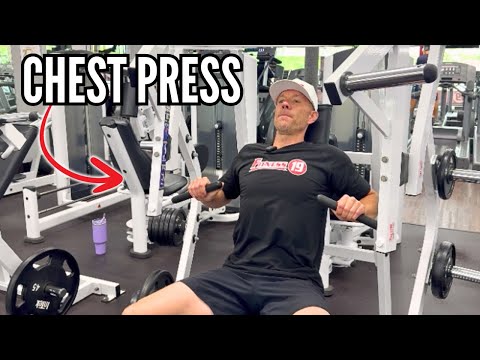
Seated push for the chest, shoulders and triceps. The machine version of a bench press, with zero risk of a bar landing on you. Perfect for learning the movement.
How to do it
1. Set the seat so the handles are at armpit/nipple height.
2. Sit back, shoulder blades pulled down and back into the pad.
3. Push the handles forward until arms are almost straight.
4. Control the return until hands are level with your chest.
Breathe: out as you push, in as you return.
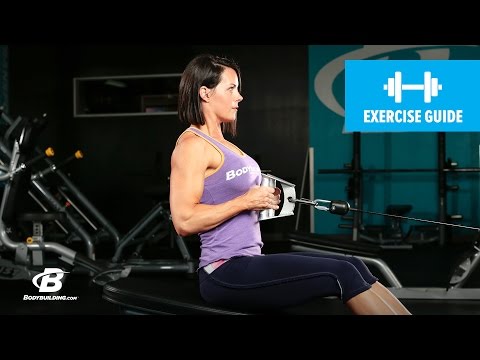
Pull a handle to your stomach while seated. Builds the whole back and directly counteracts sitting at a desk all day.
How to do it
1. Sit, feet on the plates, slight bend in the knees.
2. Sit tall, chest up. Do not round your back.
3. Pull the handle to your belly button, driving elbows back past your ribs.
4. Squeeze shoulder blades together for a beat.
5. Let the handle travel back under control; allow a small stretch.
Breathe: out as you pull, in as you release.
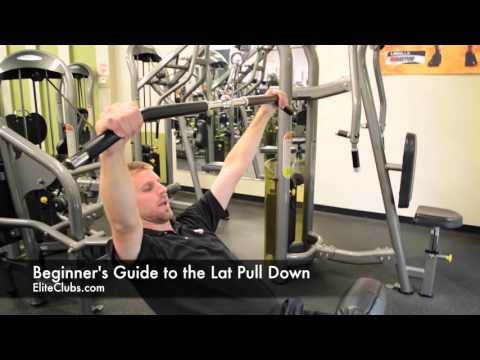
Pull a bar down to your chest from overhead. This is the machine that builds the V-shape of the back, and the stepping stone toward a real pull-up.
How to do it
1. Set the thigh pad so your legs are locked under it.
2. Grip the bar slightly wider than shoulders.
3. Lean back very slightly, chest up.
4. Pull the bar to your upper chest, elbows driving DOWN not back.
5. Control it all the way back up until arms are straight.
Do not pull behind your neck. Ever.
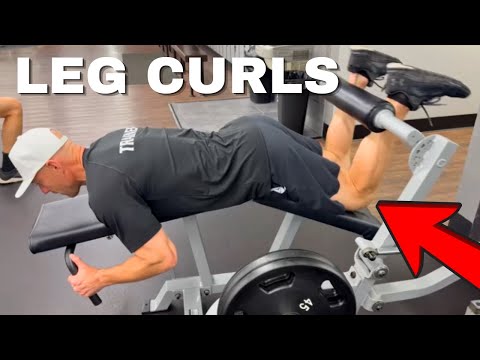
Bends the knee against resistance. Trains the hamstrings, the muscles on the back of the thigh that the leg press mostly misses.
How to do it
1. Set the back pad so your knees line up with the machine's pivot point.
2. Ankle pad sits just above your heels.
3. Lock the thigh pad down over your legs.
4. Curl your heels down and under, squeeze.
5. Return slowly, do not let the weight slam.
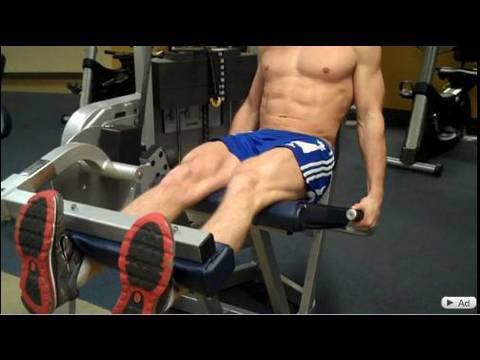
Straightens the knee against resistance. Isolates the quadriceps at the front of the thigh. Easy to learn, great for finishing a leg day.
How to do it
1. Sit back fully, knees at the machine's pivot.
2. Shin pad sits on the lower shin, just above the foot.
3. Straighten your legs smoothly, pause at the top.
4. Lower under control over 2-3 seconds.
Keep it light at first. This one gets sore easily.
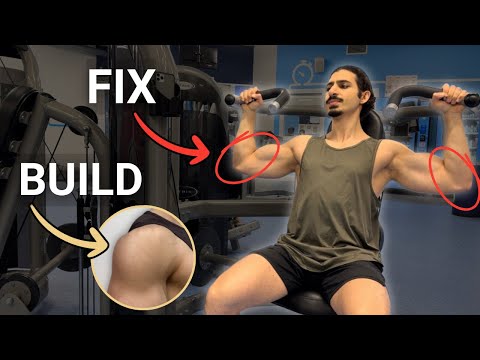
Press handles overhead while seated. Builds shoulders with your back fully supported, which is much easier to learn than a standing press.
How to do it
1. Set the seat so handles start at about shoulder height.
2. Back flat against the pad.
3. Press up until arms are nearly straight, don't slam the lockout.
4. Lower under control back to shoulder level.
If your lower back arches hard off the pad, the weight is too heavy.
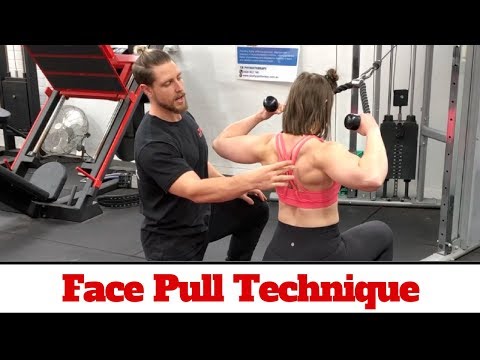
Pull a rope toward your face at eye level. The single best exercise for shoulder health and for undoing desk posture. Always go light.
How to do it
1. Set the cable pulley at roughly face height.
2. Attach the rope, grab one end in each hand, thumbs toward you.
3. Step back, arms straight.
4. Pull the rope toward your forehead, elbows high and wide.
5. Finish with hands beside your ears, squeeze the rear shoulders.
Light weight, high reps. This is a posture exercise, not an ego exercise.
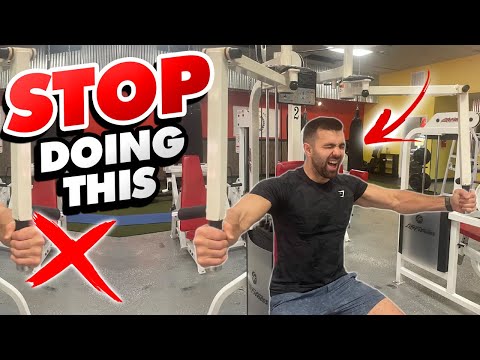
Seated machine that brings your arms together in front of you in an arc. Isolates the chest without needing to balance anything.
How to do it
1. Set the seat so the handles are at chest height.
2. Back flat, slight bend in the elbows, hold that bend.
3. Bring the handles together in front of your chest.
4. Open slowly until you feel a stretch across the chest, no further.
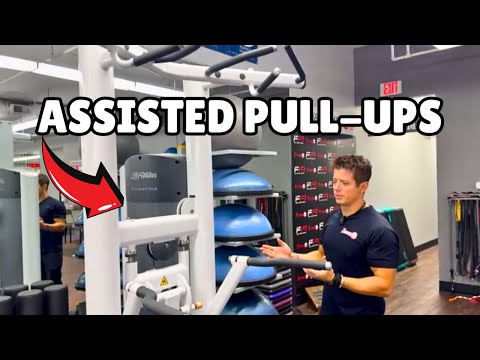
A pull-up machine that pushes you UP with a counterweight. Higher weight setting = more help = easier. This is the direct road to a real pull-up.
How to do it
1. Set the assist weight HIGH to start (more assistance = easier).
2. Grip the top bar, kneel or stand on the pad.
3. Pull yourself up until your chin passes the bar.
4. Lower slowly, all the way to straight arms.
Progress by REDUCING the assist weight over weeks.
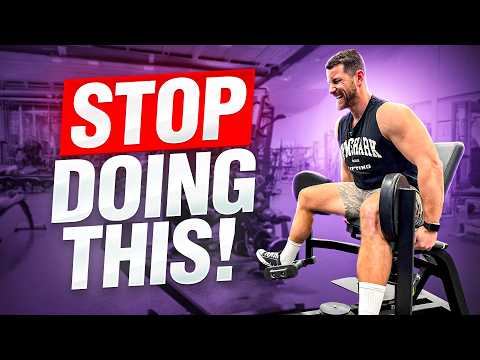
Seated machine that pushes your knees apart against resistance. Trains the glutes and hip stabilisers, which protects the knees and lower back.
How to do it
1. Sit with the pads on the OUTSIDE of your knees.
2. Sit tall, don't lean back.
3. Push your knees apart, squeeze for a beat.
4. Return slowly, resisting the whole way.
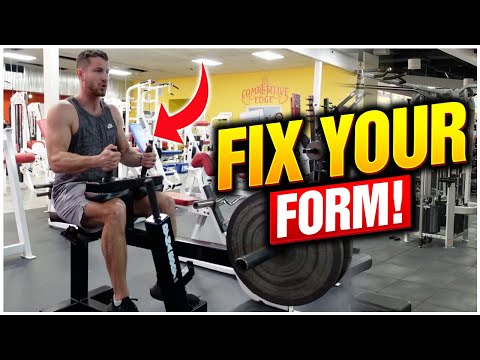
Push through the balls of your feet against a pad on your knees. Trains the calves, which take a beating from walking and need to be strong.
How to do it
1. Sit, balls of feet on the platform, heels hanging off.
2. Pad tight over the lower thighs.
3. Release the safety, drop the heels for a stretch.
4. Press up as high as possible, pause at the top.
Slow. Calves respond to controlled reps, not bouncing.
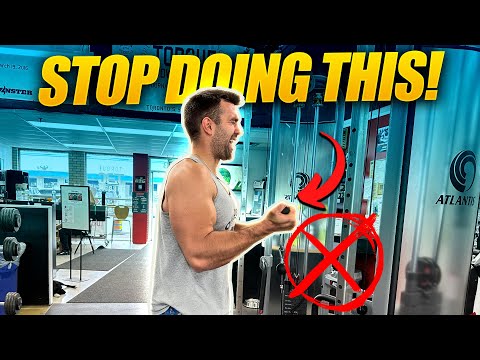
Curl a bar or handle on a low cable pulley. Constant tension on the biceps through the whole range, unlike a dumbbell.
How to do it
1. Set the pulley to the lowest position.
2. Stand a step back, elbows pinned at your sides.
3. Curl up without swinging your body.
4. Lower slowly to straight arms.
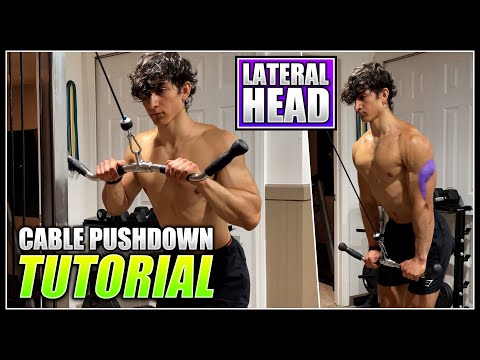
Push a bar or rope down on a high cable pulley. Trains the back of the arm, which is most of your arm size.
How to do it
1. Set the pulley high, attach a bar or rope.
2. Elbows tucked tight at your sides, and they STAY there.
3. Push down until arms are straight, squeeze.
4. Let it come back up to a 90 degree elbow.
Only the forearm moves. If your shoulders are working, it's too heavy.
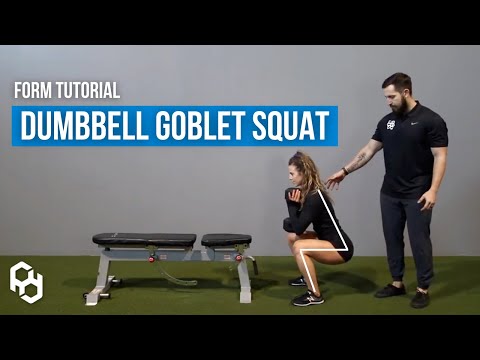
Hold one dumbbell at your chest and squat. You already know this one from your kettlebell work. It transfers directly.
How to do it
1. Hold the dumbbell vertically against your chest, elbows tucked.
2. Feet shoulder-width, toes slightly out.
3. Sit down between your hips, chest tall.
4. Go as deep as you can keep a flat back.
5. Drive up through the whole foot.
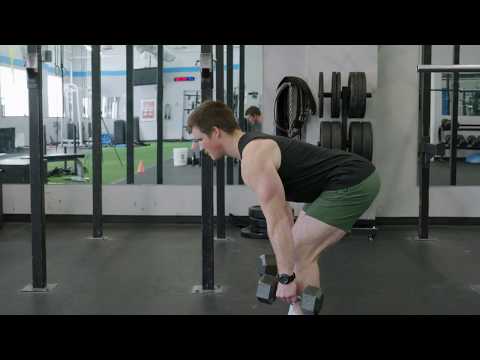
Hinge at the hips with dumbbells in hand. Trains hamstrings, glutes and the whole back chain. The hip hinge is the same pattern as a kettlebell swing, just slow.
How to do it
1. Dumbbells in front of the thighs, soft knees.
2. Push your HIPS backwards, not your knees forward.
3. Slide the dumbbells down your thighs, back flat.
4. Stop when you feel a hamstring stretch, roughly at the knee.
5. Drive the hips forward to stand tall.
Back stays flat throughout. If it rounds, stop the rep short.
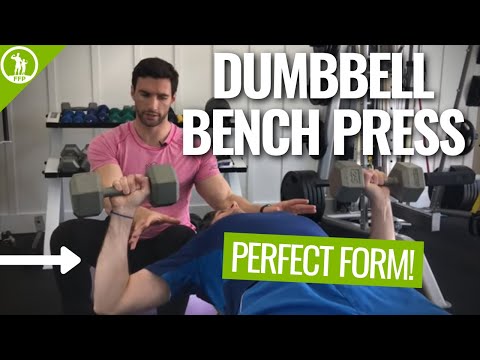
Press two dumbbells while lying on a bench. A step up from the chest press machine once you're comfortable.
How to do it
1. Sit on the bench with dumbbells on your thighs.
2. Lie back, kicking the dumbbells up as you go.
3. Shoulder blades squeezed back and down, feet planted.
4. Lower until upper arms are roughly level with the bench.
5. Press up and slightly together.
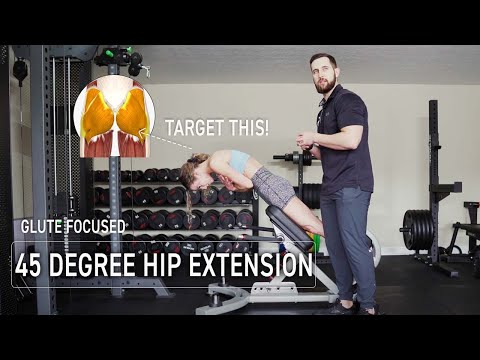
Bend and straighten at the hips on an angled pad. Strengthens the lower back and glutes, and is genuinely protective against back pain.
How to do it
1. Set the pad just below your hip bones.
2. Cross arms over the chest.
3. Bend at the HIPS, lowering your torso.
4. Squeeze the glutes to rise until your body is in a straight line.
5. Do NOT arch back past straight.
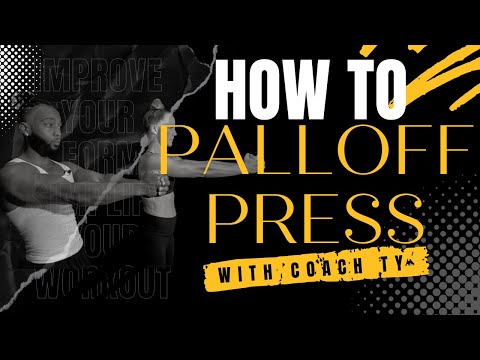
Stand side-on to a cable and press a handle straight out while resisting the twist. Trains the core to resist rotation, which is what a core is actually for.
How to do it
1. Set the pulley at chest height.
2. Stand side-on, both hands on the handle at your sternum.
3. Step away to create tension.
4. Press straight out, and REFUSE to let your torso rotate.
5. Hold 2 seconds, return.
The core work is the not-twisting, not the pressing.
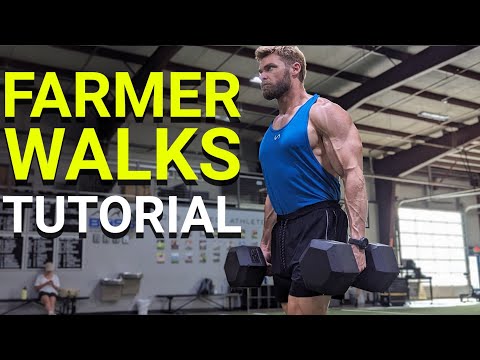
Pick up two heavy dumbbells and walk. Brutally simple, trains grip, core, shoulders and posture all at once. Feels natural, no technique to memorise.
How to do it
1. Pick up a dumbbell in each hand.
2. Stand tall, shoulders back and down, chest up.
3. Walk with short controlled steps.
4. Set them down under control, don't drop and don't round your back.
Great finisher when the machines are busy.
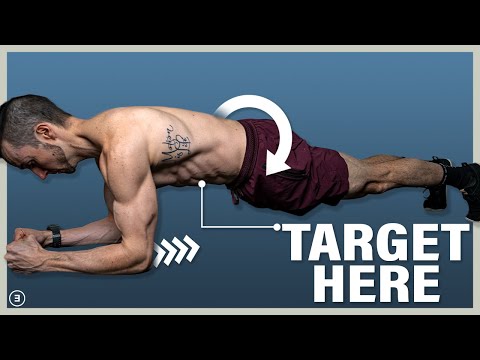
Hold a rigid straight-body position on your forearms. Bodyweight core work you can do in any corner of the gym.
How to do it
1. Forearms on the floor, elbows under shoulders.
2. Body in one straight line from head to heels.
3. Squeeze glutes and brace the abs like you're about to be poked.
4. Do not let the hips sag or pike up.
Quality over duration. 30 good seconds beats 90 sloppy ones.
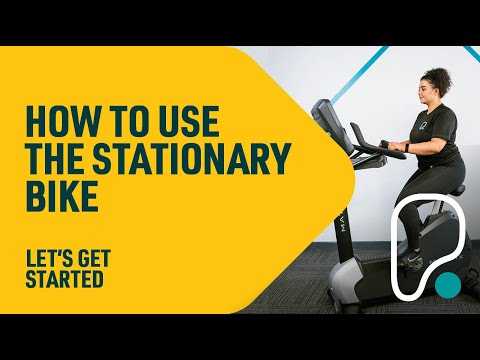
The safest, most anonymous machine in any gym and your default warm-up. Nobody looks at the person on the bike.
How to do it
1. Seat height: standing beside it, the seat should be at hip height.
2. On the bike, your knee should be slightly bent at the bottom of the pedal stroke.
3. Start at a low resistance and spin easy.
5 minutes to raise body temperature. It should feel easy, not tiring.
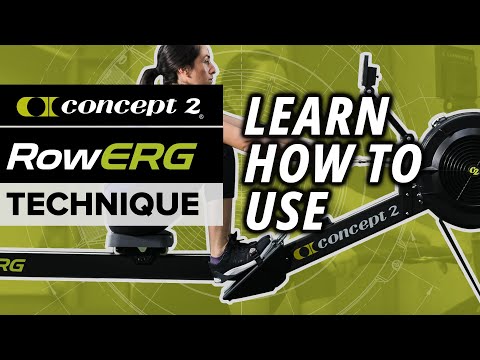
Full-body cardio machine. Excellent conditioning, but technique matters: it's legs first, then back, then arms.
How to do it
1. Strap feet in, straps over the widest part of the foot.
2. Sequence out: LEGS push, then lean BACK, then pull ARMS to the ribcage.
3. Sequence back: ARMS extend, then lean forward from the HIPS, then bend KNEES.
4. Aim for a slow controlled recovery, roughly twice as long as the drive.
Most people yank with the arms first. Legs do 60% of the work.
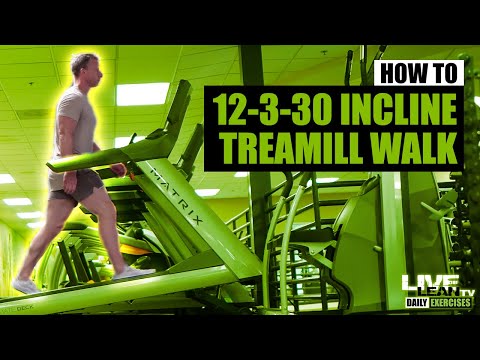
Walking uphill on a treadmill. Now that you have a real gym treadmill you finally get INCLINE, which your home one never had. This is the best low-impact fat-loss cardio there is.
How to do it
1. Start at 5.0-5.5 kph, incline 0, walk 2 min.
2. Raise incline to 6-10%, keep the speed.
3. Do NOT hold the handrails. Holding on removes most of the work.
4. You should be able to talk in short sentences, not sing.
This replaces your old flat treadmill walks with something twice as effective.